Candles That Care: From Clean Waxes to Plastic-Free Wraps
Step into a brighter ritual where craftsmanship meets responsibility. We dive into sustainable ingredients and plastic-free packaging in craft candle brands, exploring clean-burning waxes, safer scents, thoughtful wicks, and low-impact materials that protect oceans and homes alike. Expect practical guidance, real maker stories, and tips you can use today to choose, burn, reuse, and share candles that feel as good as they smell—without the guilt, waste, or greenwashing that too often obscures the simple joy of lighting a flame.
From Soil to Scent: Honest Materials That Burn Better
Behind every comforting glow lies a set of choices that begin long before a match ever strikes. Responsible makers weigh the agricultural footprint of waxes, the sourcing of botanicals, and the chemistry of fragrance, aiming for candles that honor the earth without sacrificing performance. Understanding those decisions empowers us to appreciate the full journey, from crops and apiaries to vessels and wicks, and to reward brands that invest in transparency, continuous testing, and improvements that make each burn cleaner, safer, and more satisfying.
Packaging That Leaves No Trace
What happens before the first strike and after the final burn matters as much as the candle itself. Plastic-free packaging reimagines protection, presentation, and shipping with recycled paper, molded pulp, glass or aluminum vessels, and water-activated paper tape replacing bubble films and synthetics. Inks, labels, and adhesives are selected for recyclability, while cushioning turns to shredded kraft, mushroom-grown mycelium forms, or starch peanuts that safely dissolve. The aim is durability without disposables, beauty without baggage, and a delightfully low-impact unboxing worth celebrating and reusing.
Designing the Unboxing to Avoid Plastic
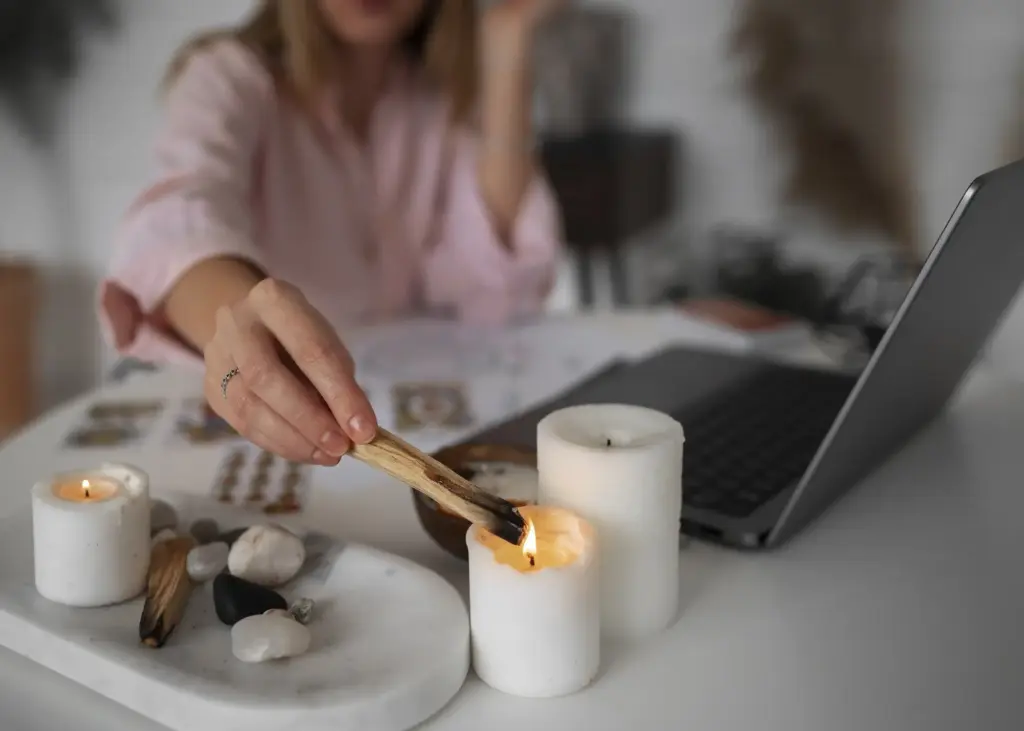
Every layer is intentional: sturdy recycled boxes sized right to reduce void fill, molded pulp trays that cradle vessels, tissue from post-consumer fibers, and paper tape that holds everything fast without hidden polymers. Brands swap plastic seals for tamper-evident paper bands and choose glass or aluminum containers that slide into curbside streams with ease. Even shipping labels get rethought for recyclability. The result is a memorable, protective unboxing that refuses plastic at every step while still feeling giftable, secure, and thoughtfully made.
Labels, Adhesives, and Inks That Actually Break Down
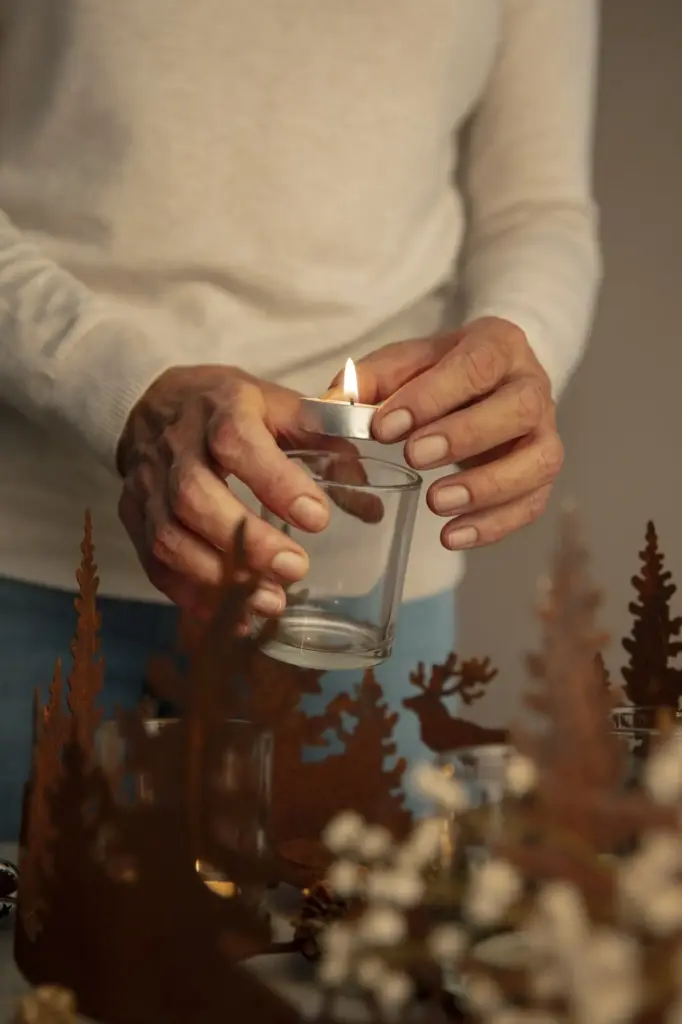
Sustainability hides in the smallest details. Labels made from recycled stocks or agricultural byproducts reduce virgin fiber demand, while water-based or soy-based inks ease downstream processing. Adhesives matter too: removable, wash-off glues support easier vessel reuse, and avoiding plastic laminates keeps paper recyclable. Cutting excess varnish, foils, and metallics helps recovery, yet design can still shine through texture, emboss, or clever die-cuts. Thoughtful material choices ensure the identity looks premium on day one and remains planet-friendly on every day after.
Proving It: Certifications, Standards, and Real Transparency
Claims feel meaningful when they are backed by data and verified practices. Candlemakers who publish ingredient disclosures, testing notes, and third-party validations invite trust. Recognized frameworks—like IFRA standards for fragrance safety, REACH and CLP compliance in applicable regions, FSC certification for paper, or USDA BioPreferred indicators for biobased content—help separate substance from spin. Equally important are plain-language explanations, open supply-chain conversations, and life cycle assessments that quantify impact and spotlight progress, not perfection, with humility and trackable goals.
Performance Without Pollution
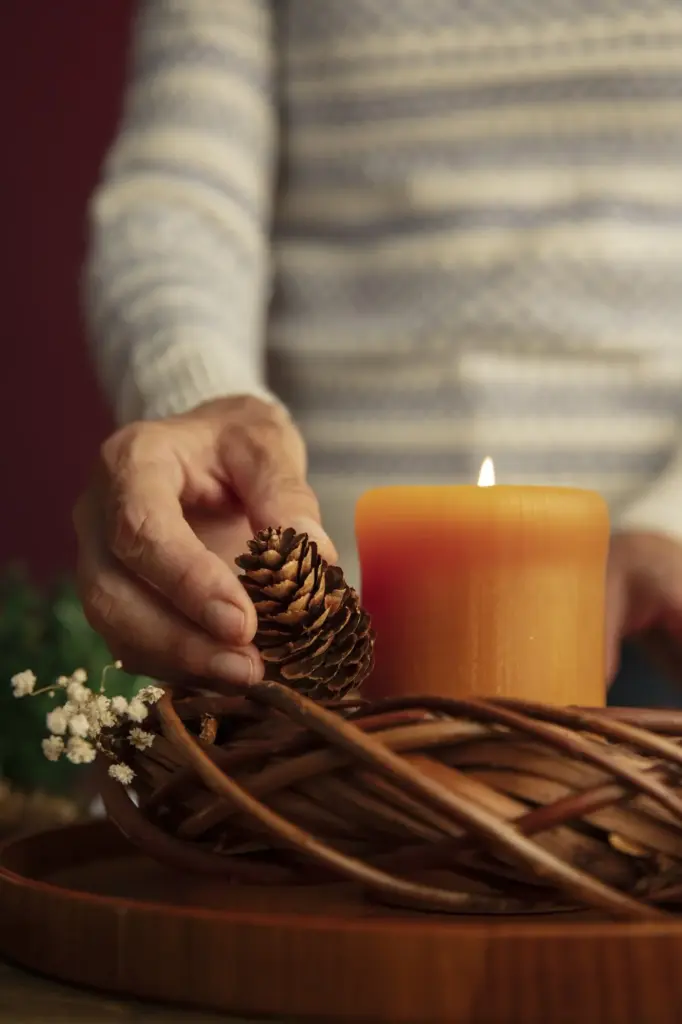
Clean choices should still deliver breathtaking scent, steady flames, and long burn times. The best craft makers treat testing like a craft of its own, dialing wick sizes, vessel diameters, and fragrance loads until the melt pool forms reliably and soot stays minimal. Cure times are honored, draft behavior is studied, and materials are paired thoughtfully. Your role matters too: proper trimming, safe burn windows, and patient first burns transform a responsible formula into a consistently excellent experience you can repeat and recommend.
Scent before lighting is the cold throw; diffusion when burning is the hot throw. Both hinge on wax crystallinity, fragrance solubility, wick geometry, and vessel shape. Makers test fragrance percentages conservatively to prevent clogging wicks or creating soot. They evaluate pool depth by the hour and adjust wick series accordingly. Essential oils may require different loads or blends than aroma components to remain stable. When everything aligns, aroma lifts confidently without smoke, achieving that elusive balance of potency, clarity, and calm.
Small habits make big differences. Trim the wick to about 6–7 millimeters before each burn, allow a full melt pool edge-to-edge, and keep drafts away to avoid flicker and soot. Limit sessions to a few hours, then cool completely before relighting. Use a snuffer instead of blowing to prevent smoke, and store candles with lids to protect fragrance. These simple steps work with the maker’s testing, preserving vessels, conserving wax, and letting each note bloom cleanly, room after room, evening after evening.
A Regenerative Farm and a Candle That Smells Like Morning
On a hillside rotated through cover crops and wildflower rows, a small farm harvests lavender without exhausting the soil. A nearby studio blends those oils into a soft dawn accord—herbal, dewy, quietly joyful. They publish photos of the fields, soil tests, and rainfall capture barrels. The candle sells out each spring, not from trendiness but trust, because customers can trace the aroma back to the hillside and the hands that tend it, season after season, bloom after bloom.
The Day a Tiny Studio Ditched Plastic Forever
Tired of bubble wrap sneaking into shipments, a two-person studio ran weekend trials with molded pulp, shredded offcuts, and paper tape. Breakage fell, unboxings improved, and a jar-return credit closed the loop. They announced the change with humility, invited feedback, and shared missteps—like a label adhesive that initially resisted the wash cycle. Customers cheered them on and offered ideas. The result was not only less waste, but a stronger relationship built on shared problem-solving and the courage to iterate publicly.
Take Part: Your Choices Shape the Flame
A Simple Buyer’s Checklist for Your Next Candle
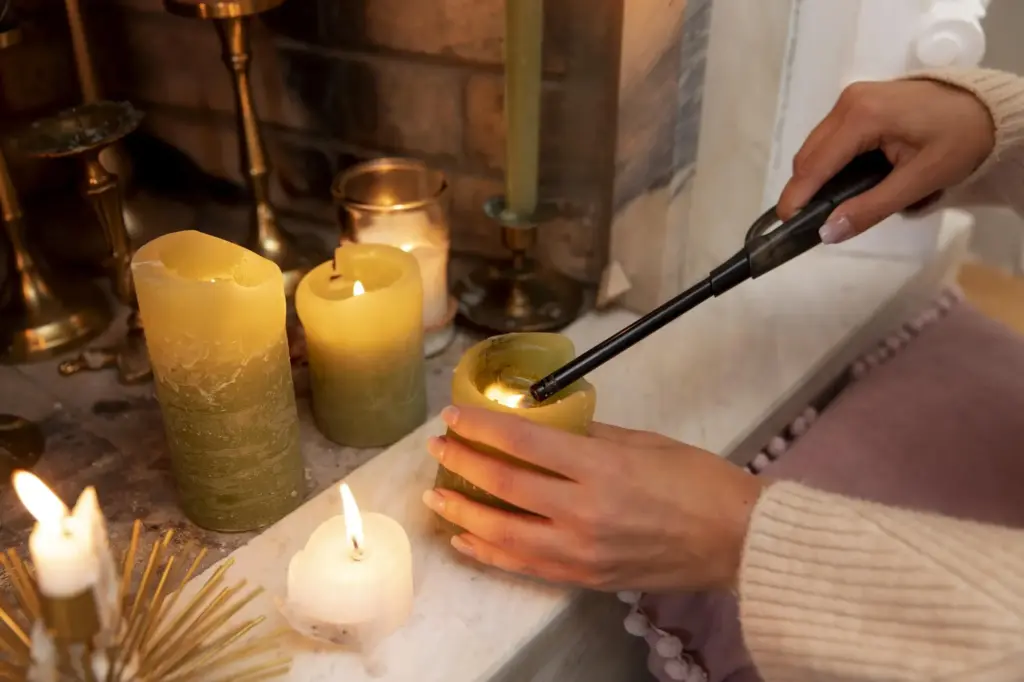
Before purchasing, scan for renewable waxes, IFRA-aligned fragrance, and clear allergen notes where applicable. Check for FSC paper, recycled content, and plastic-free cushioning. Look for batch codes, wick guidance, and burn instructions. Favor refill or return options and honest shipping disclosures. If details are missing, ask kindly—good makers will answer. That short checklist transforms shopping from guesswork into advocacy, steering your money toward practices that preserve clean air, healthy soils, and vessels designed for a second, third, and fourth life.
Creative Reuse Ideas for Empty Vessels
Give jars new purpose once the final glow fades. Turn them into spice containers, succulent planters, desk organizers, or tealight sleeves. Wash with warm, soapy water after freezing to release leftover wax, then label them with removable paper tags. Host a swap with friends, or donate sanitized vessels to local makers testing refills. Each reuse displaces a new item and honors the craftsmanship that shaped the container, turning a simple cleanup task into an easy, uplifting habit you can actually look forward to.
Join Our Ongoing Experiments and Share What Works
We’re piloting jar returns, refill nights, and material tests, and we want your voice in the mix. Subscribe for updates, vote on prototypes, and tell us what you’re seeing at home—soot behavior, scent longevity, label removability, anything. Post photos, tag repairs, and celebrate wins alongside lessons learned. Your insights help refine formulas, improve packaging, and inspire makers to try bolder changes. Together we can turn small experiments into daily norms, brightening rooms and reducing waste with every careful, communal burn.
All Rights Reserved.