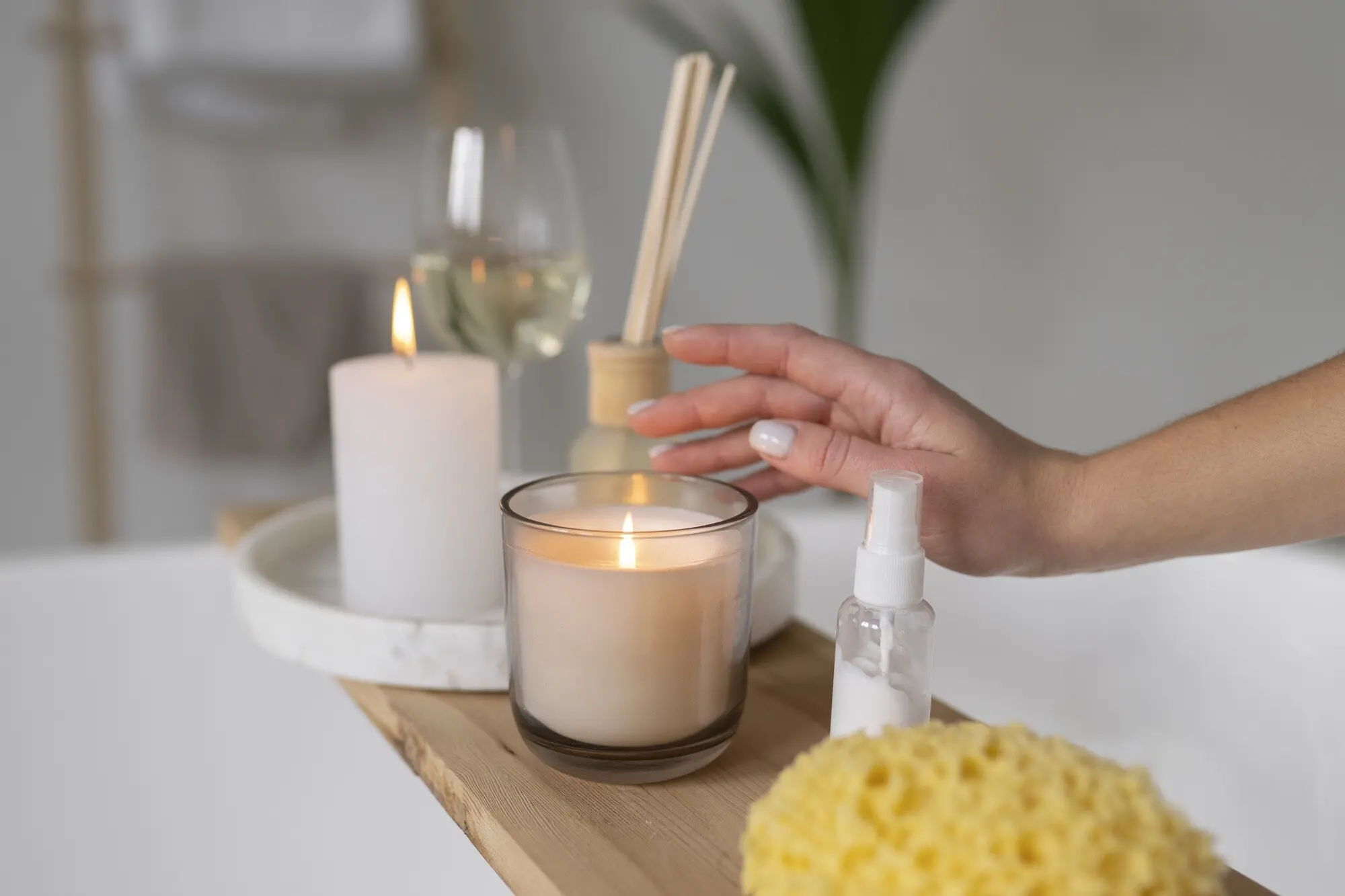
The 1/4-Inch Rule
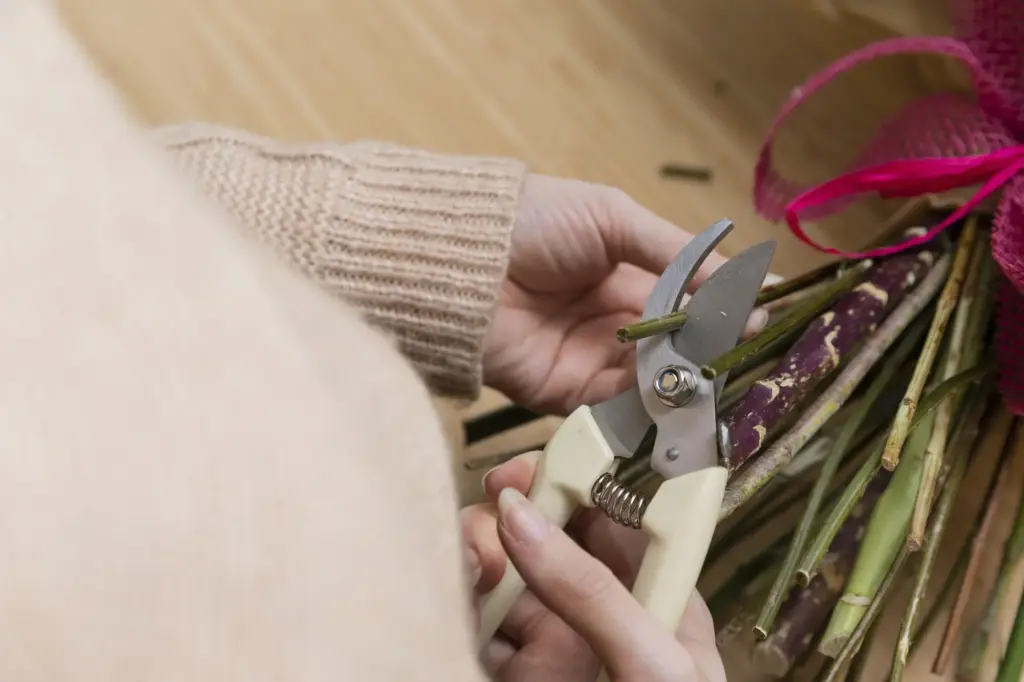
Before every lighting, trim cotton wicks to about 1/4 inch, roughly 6–7 millimeters, and let the wax fully cool first. This modest length balances capillary action, stabilizes flame height, and reduces mushrooming. Wooden wicks benefit too, usually trimmed to a neat edge so charred bits release easily. A sharp wick trimmer or small scissors keeps debris from dropping into the wax, preserving a cleaner pool and brighter fragrance throw while minimizing smoke and residue on nearby surfaces.
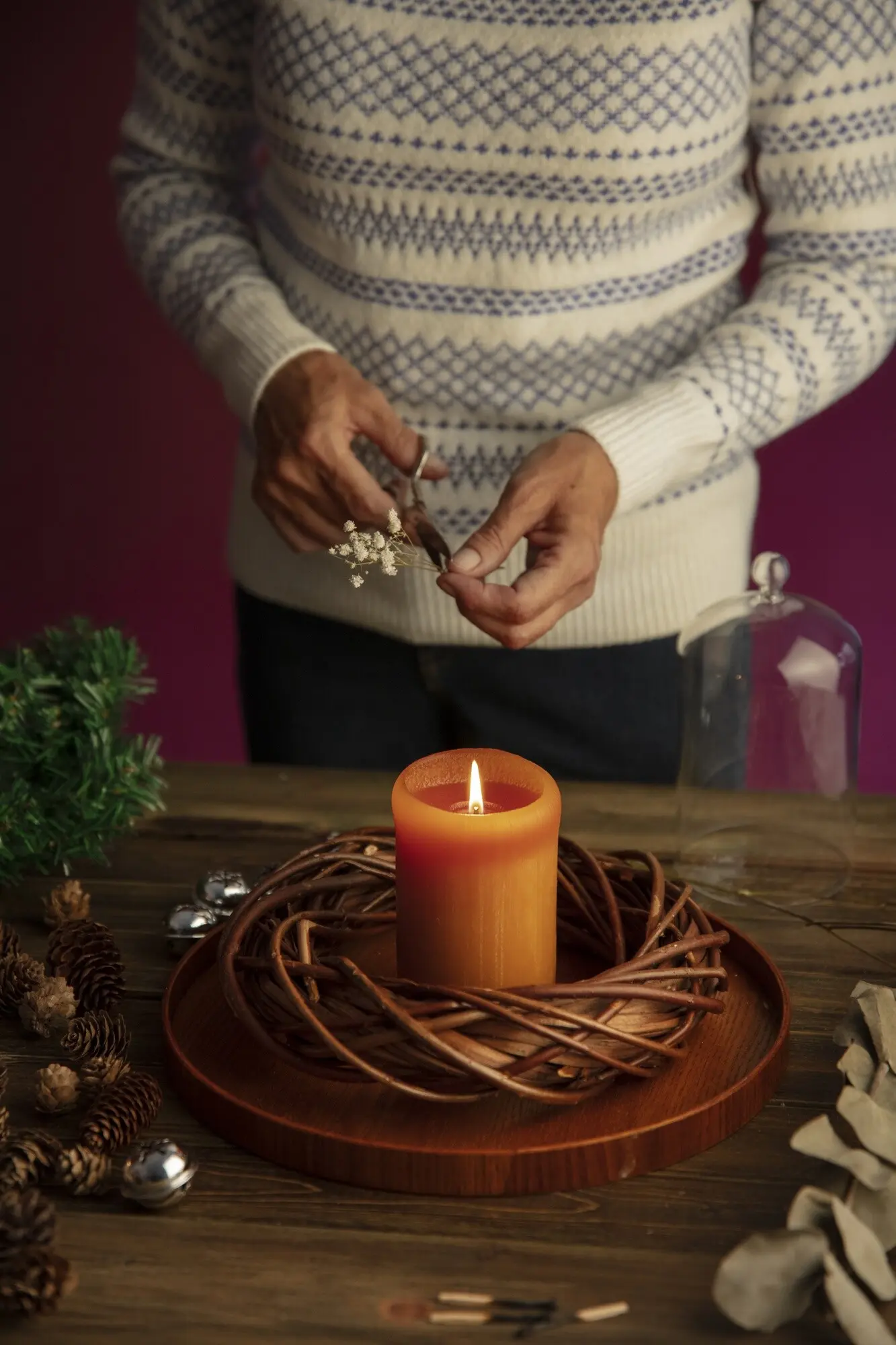
Mushrooming and Soot
When a wick mushrooms, carbon builds at the tip, encouraging flicker, smoke, and wasted wax. Correct it by gently snipping the bulb after extinguishing and cooling. Persistent mushrooming can signal oversized wicks, overly heavy dyes, or high fragrance loads. If the flame smokes or leaves dark halos on jars, examine drafts and wick length. Often, a slightly shorter trim paired with a calmer environment yields a controlled, calm flame and far cleaner, more satisfying illumination.

Drafts and Dancing Flames
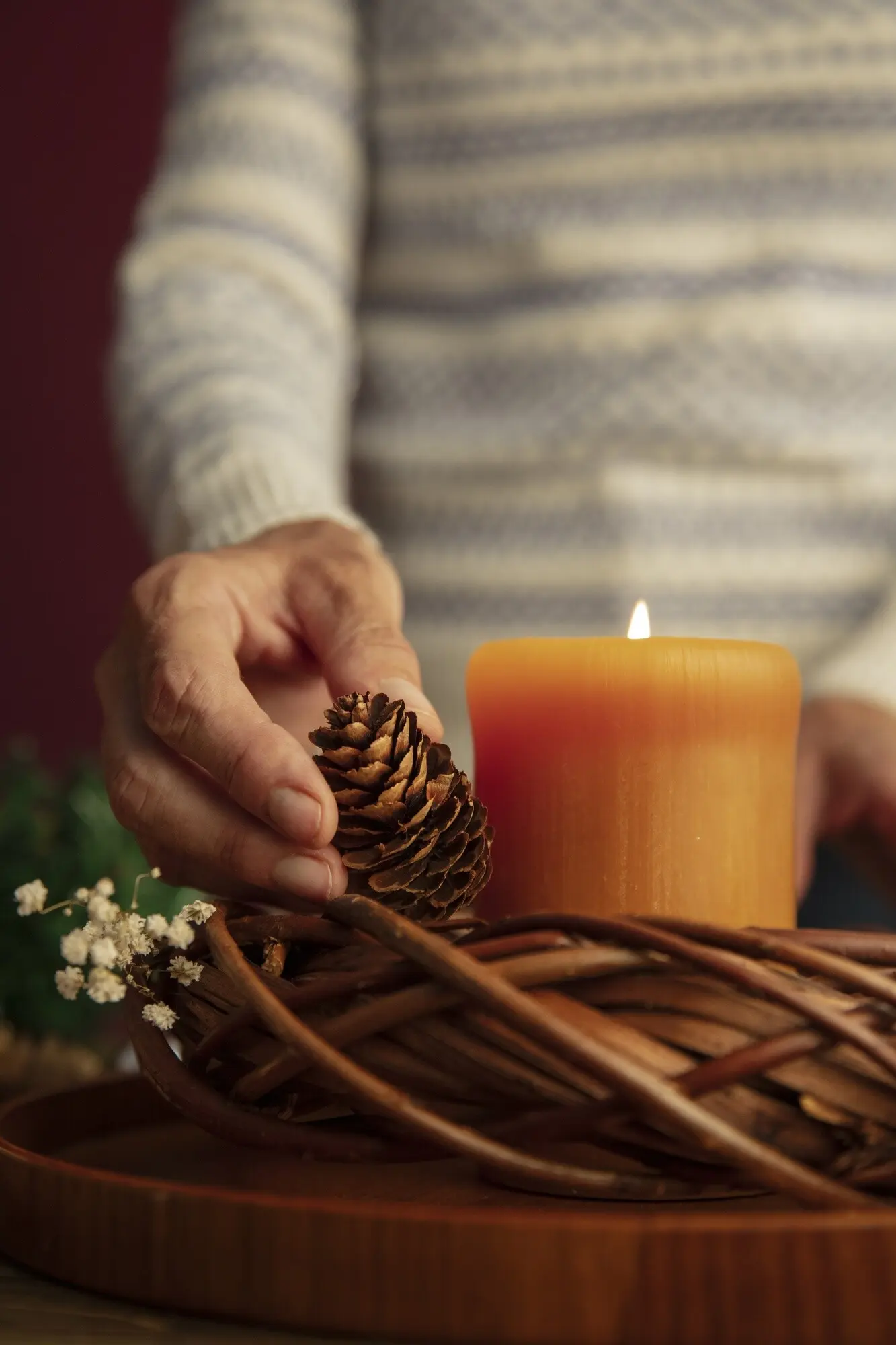
A dancing flame looks charming until it leans, smokes, and overheats one side of the candle. Keep jars and tapers away from open windows, vents, fans, and high-traffic doorways. Even subtle airflow can tilt a taper, increasing drip and shortening life. If the flame flickers, relocate the candle to a steadier spot and re-trim once cool. Watch the flame for a minute; a steady teardrop shape signals good airflow, balanced fuel, and safer, cleaner burning.



Heat and Shock
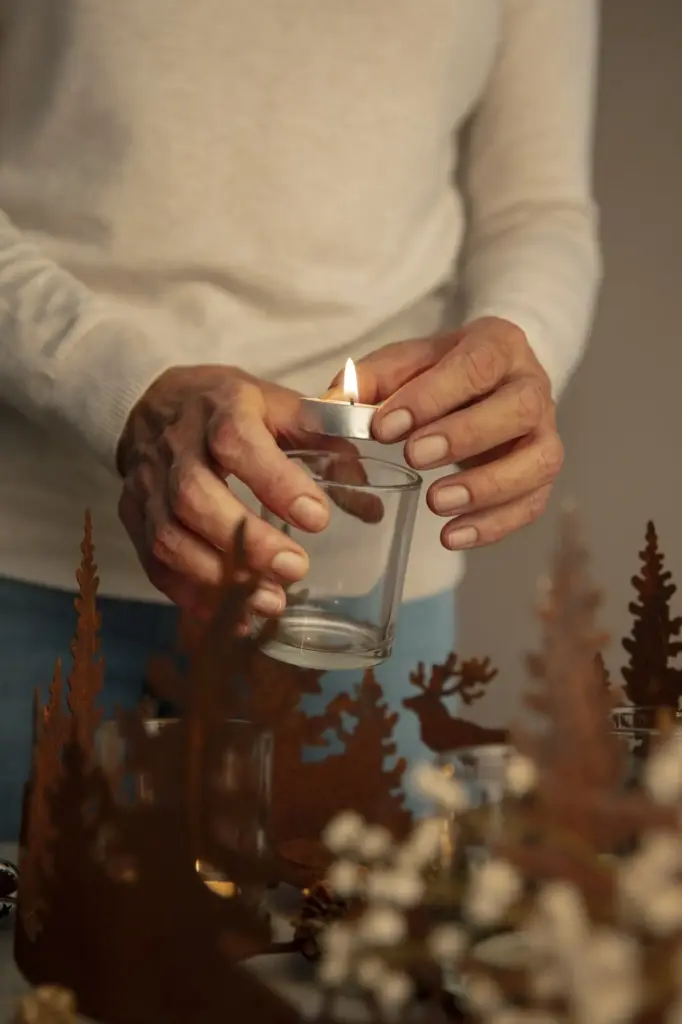
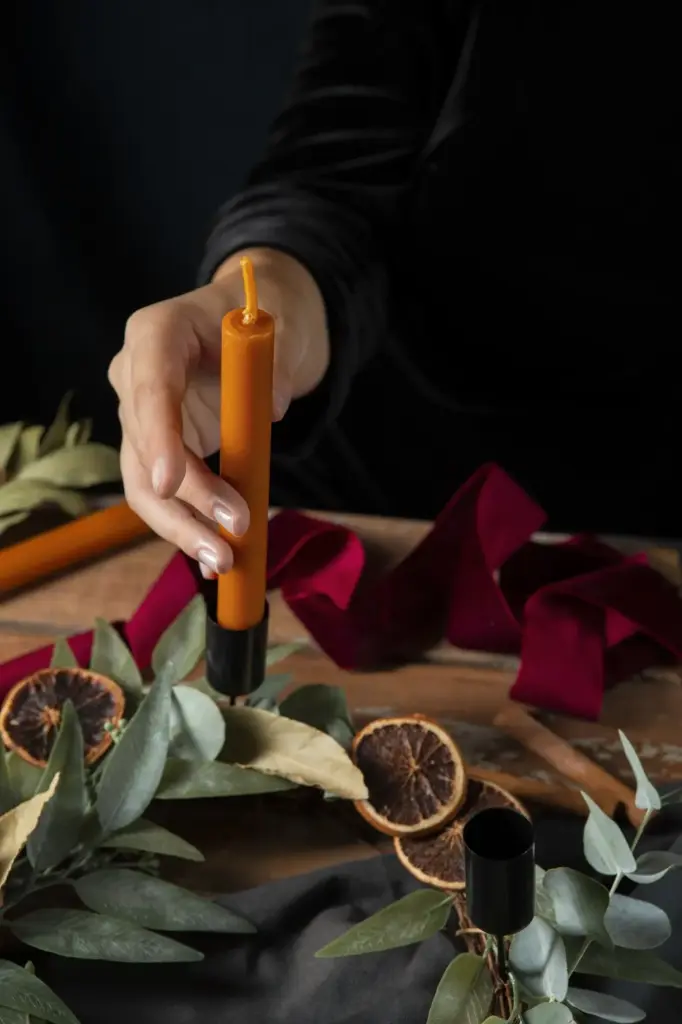
Place jars on heat-resistant coasters and never on cold stone straight from a warm room, or vice versa. Rapid temperature shifts create stress that can weaken containers. Keep flames away from tight corners and bookshelves where heat concentrates. If the jar feels unusually hot to the touch, extinguish and allow a complete cool-down. For porous or vintage containers, exercise extra caution since they may not be rated for repeated cycles. Respecting gradual temperature changes dramatically improves safety and preserves your artisan vessel’s charm.
The Last Half Inch
Retire jar candles when roughly half an inch, about 12 millimeters, of wax remains. The base can overheat as liquid wax thins and heat reflects downward. Stopping early saves surfaces and prevents stress on adhesive, wick tab, and glass. Many makers note this practice as a core instruction on labels. Gather remnants for wax warmers or future projects instead. This gentle boundary turns a risky finale into a graceful goodbye, honoring the candle’s journey while keeping your space confidently protected and serene.
Surface and Spacing
Candles deserve generous breathing room. Leave at least three feet of clearance from curtains, stacked books, and low-hanging foliage. Space multiple jar candles several inches apart so their heat signatures do not amplify each other. Use trays that are stable, flat, and heat-safe, preventing wobble and spreading warmth more evenly. If you burn a multi-wick jar, confirm all flames stay similar in height; extinguish if one races ahead. Protective spacing preserves glass, fragrance balance, and the quiet mood you carefully created.